

There are academic trips, and then there are academic pilgrimages – those curious journeys where policy documents come alive, PowerPoint slides gain personalities, and doctoral education reveals itself as an equal mix of bureaucracy, philosophy, therapy, and endurance sport.
The EDE Team study visit across two European universities – first to Vrije Universiteit Amsterdam (the Netherlands) and then to the University of Ljubljana (Slovenia) – was ostensibly about doctoral education. In practice, however, it became a masterclass in supervision, sustainability, urban walking, culinary diplomacy, and the quiet realization that PhD education everywhere survives on coffee, committee structures, and controlled panic.
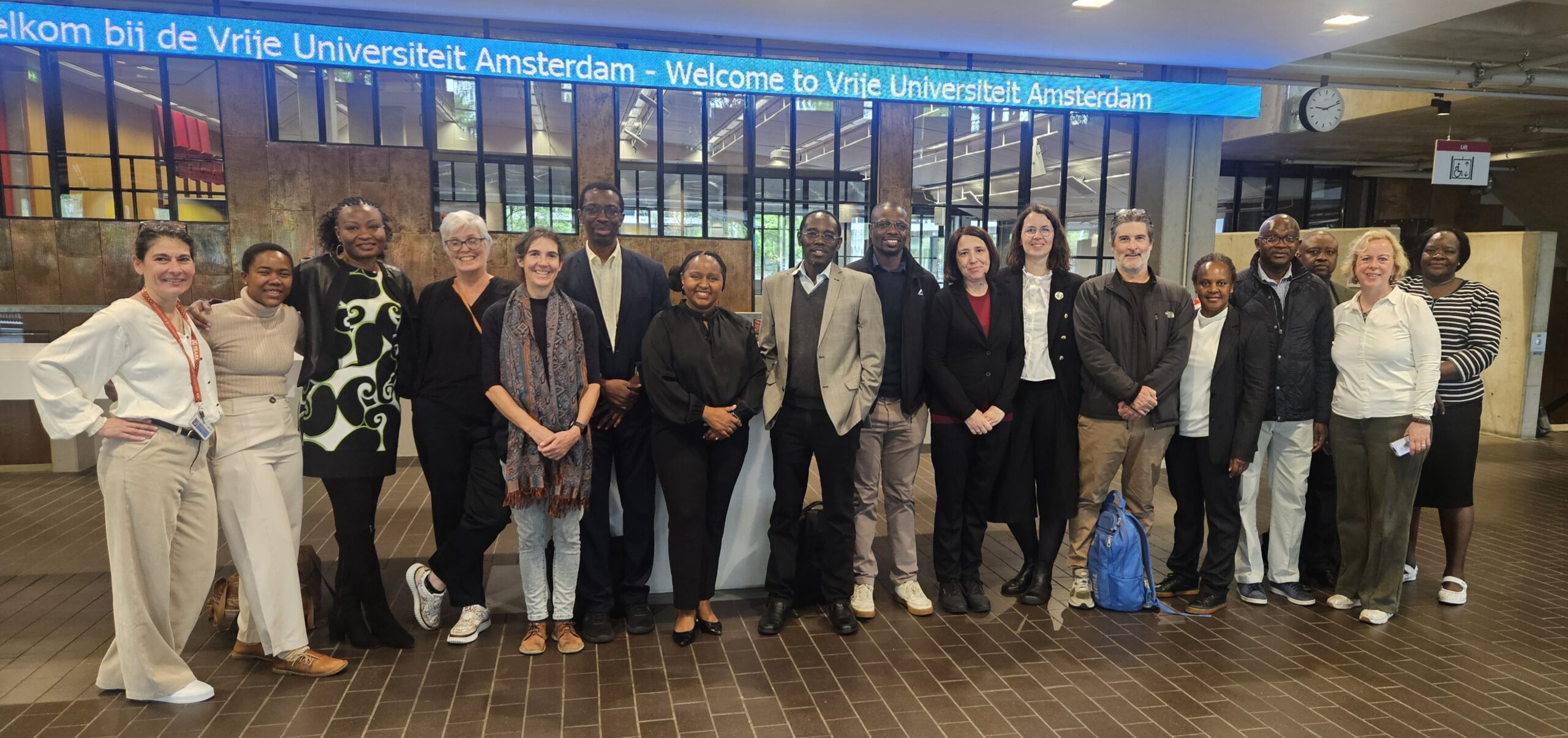
The first phase of the visit took place in Amsterdam starting from the Dutch Liberation Day celebrations. The city itself reflected values of sustainability, efficiency, and openness, with bicycles, public transport, and walkable spaces shaping everyday life. At VU Amsterdam, these values extended into university culture and operations. The campus architecture emphasizes modernity, research excellence, and sustainability, while academic activities reveal highly organized institutional systems.
One of the most striking aspects of VU Amsterdam is the way doctoral policies are actively implemented in practice. Discussions focused on supervision, doctoral wellbeing, mentoring, accountability, and institutional support systems. Rather than existing only as policy documents, doctoral frameworks are embedded into everyday university structures. The visit also included attendance at a formal PhD defense ceremony, which highlighted the Dutch tradition of publicly celebrating scholarly achievement through academic ritual and ceremony.
A key lesson from VU Amsterdam was the professionalization of doctoral supervision. Supervision is treated as a skill requiring formal training and continuous development. The university offers structured programmes for supervisors at different levels and openly discusses conflict mediation between supervisors and doctoral candidates. Additional support systems, such as PhD advisors, mentoring programmes, and the Hora Finita doctoral management system, illustrate a coordinated and student-centered approach to doctoral education.
The university also demonstrated emerging issues such as artificial intelligence, innovation, and entrepreneurship. Discussions emphasized responsible integration of AI into research and scholarly practice, while student innovation programmes demonstrated the growing connection between academia, research, and entrepreneurship.
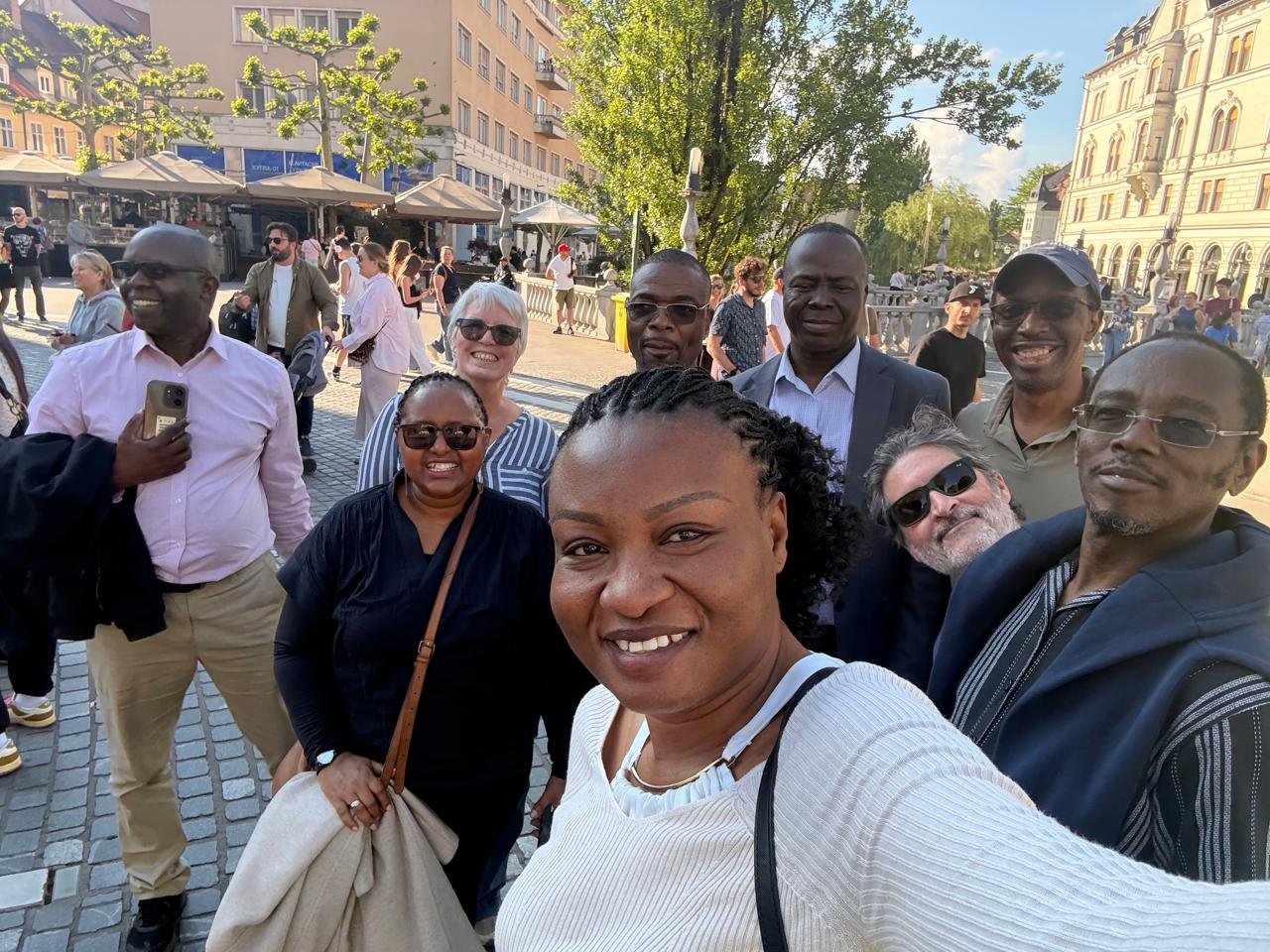
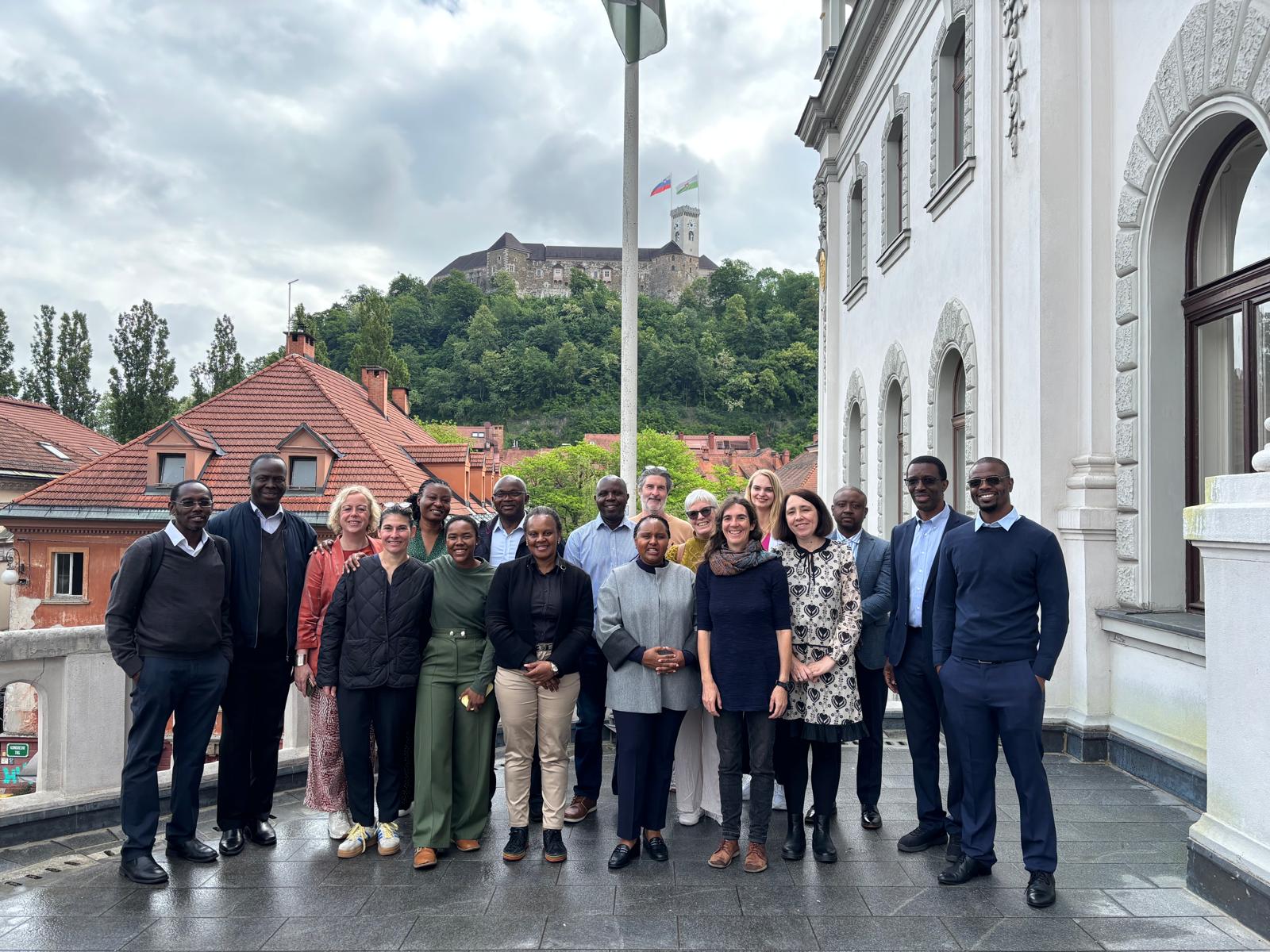
The second phase of the visit took place in Ljubljana, Slovenia. Unlike Amsterdam’s highly structured environment, Ljubljana presented a more relational and human-centered academic culture. The city’s walkable environment, vibrant public spaces, and strong cultural identity created a welcoming atmosphere that encouraged interaction and reflection.
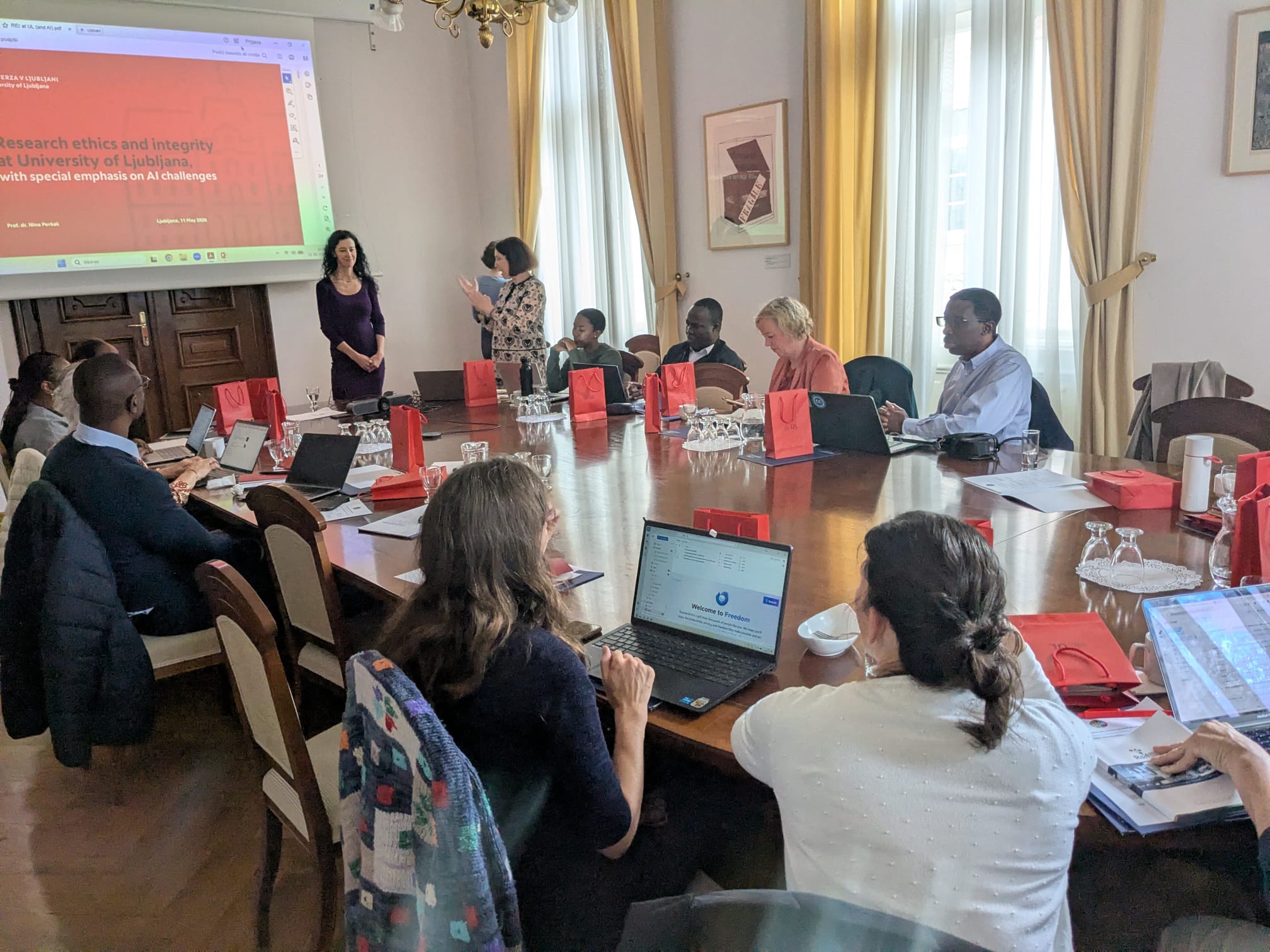
At the University of Ljubljana, discussions focused heavily on governance, research integrity, quality assurance, and the ethical implications of AI in higher education. The university emphasizes the importance of building ethical scholarly cultures capable of adapting to technological change. Funding, internationalization, and doctoral governance were also major themes, highlighting the challenges universities face in balancing national priorities with global academic competitiveness.
Visits to the Ministry of Higher Education and the Slovenian Quality Assurance Agency demonstrated the close relationship between universities, public policy, and national regulation. Discussions connected doctoral education to broader European and international higher education trends.
A particularly important theme at Ljubljana was the idea of doctoral education as collaborative knowledge production rather than a simple supervisor-student hierarchy. The emphasis was placed on partnership, scholarly collaboration, and participation in intellectual communities.
Overall, the two universities provided complementary perspectives on doctoral education. VU Amsterdam demonstrated the importance of systems, coordination, and professional supervision structures, while the University of Ljubljana highlighted governance, ethics, collaboration, and human-centered academic culture. Together, they showed that modern doctoral education is not only about producing theses, but also about preparing researchers capable of navigating complex academic, technological, institutional, societal and human challenges.
By Prof George Mark Onyango, Maseno University, Kenya


